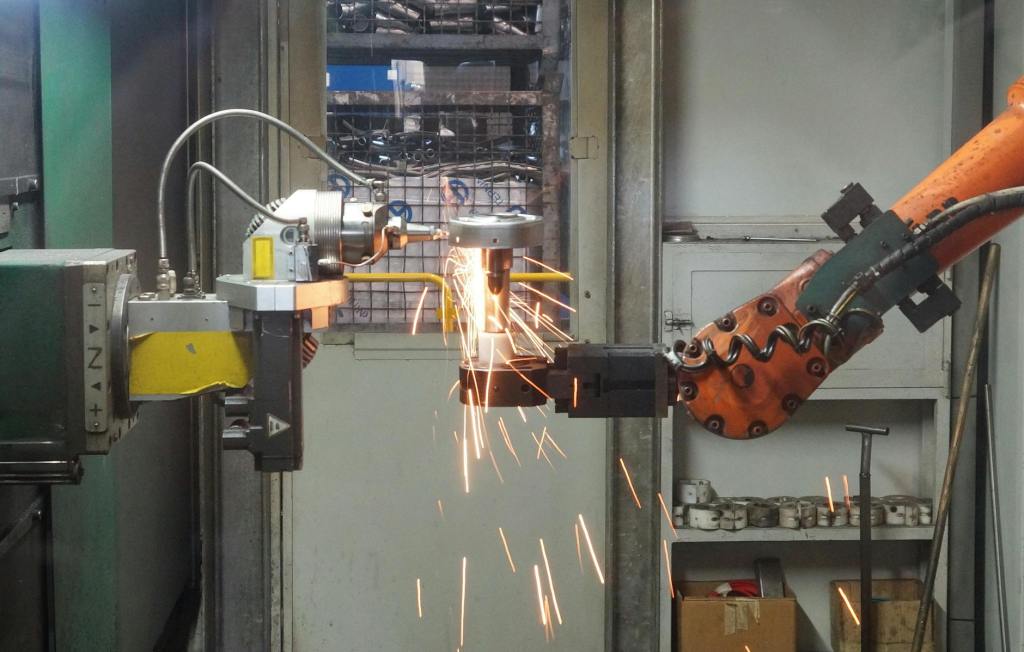
Artificial intelligence (AI) is reconstructing industries and reshaping the way we work. The question on many minds today is “is AI going to replace our jobs?” Technology continues to evolve. Many workers, employers, and policymakers are wondering about the impact of AI on the future of employment. In this blog, we’ll dive into the various dimensions of AI in the workplace. We will also examine both the potential threats and opportunities and explore what the workforce of tomorrow might look like.
Understanding the AI Revolution
The rapid progress in AI, machine learning, and automation has undeniably changed the modern workplace. AI technologies are increasingly integrated into our daily lives. Two great examples are customer service chatbots and robotic manufacturing. However, the big question still remains. Some fear job loss. Others see an opportunity to evolve and adapt harnessing new skills and creating entirely new roles.
Historical Context and Future Outlook
Throughout history, job displacement due to technological innovations happened. For instance, the Industrial Revolution brought about significant changes. Eventually, it led to the creation of new industries and opportunities. Today, we face a similar situation where AI, despite concerns, may encourage job transformation rather than outright replacement. According to research from the World Economic Forum, many roles may become obsolete. Others will be redefined, incorporating AI as a tool rather than a competitor. Read more about this trend on reputable platforms like Forbes (https://www.forbes.com).
AI Augmentation vs. AI Replacement
One major element of the discussion is whether AI will serve as an augmentation or replacement. The answer is more nuanced than it might seem at first glance.
• AI as an Augmentation Tool: In many cases, AI is being used to enhance human capabilities. AI can help by streamlining processes, reducing mundane tasks, and providing insights from big data. This approach suggests that AI might empower workers and free them up to engage in more strategic and creative tasks.
• AI as a Replacement Threat: Certain repetitive and predictable jobs are more susceptible to automation. For example, roles in manufacturing, accounting, and even aspects of customer service may see significant transformation. Nevertheless, as routines change, demand for new skills may rise. Some of these skills and positions may involve managing and developing AI systems.
Encouraging a Collaborative Future
As companies integrate AI-powered solutions, the role of human judgment, empathy, and creativity becomes more pronounced. The notion that “AI is going to replace our jobs” is no about job loss but rather about job transformation. Workers and organizations will need to be continuously learning to remain competitive in an evolving workplace. Many experts emphasize that certain roles will diminish. However, others will emerge in tech development, creative problem solving, and the maintenance of AI systems.
Strategies for Adapting to AI Disruption
For those concerned about the future workforce, adopting proactive measures can help ease the transition:
- Continuous Learning: Investing in training programs can ensure that employees remain relevant. Online platforms, local community colleges, and internal training courses can play a key role. Check out resources like LinkedIn Learning and MIT’s online courses for emerging trends in AI.
- Embracing Interdisciplinary Skills: Combining technical knowledge with sector-specific expertise will be invaluable. Financial advisors, healthcare professionals, and educators can benefit from understanding AI to better serve their clients and communities.
- Strategic Organizational Shifts: Companies can foster a culture of innovation by blending traditional roles with AI driven tasks. To further explore how organizations are adapting, visit Harvard Business Review’s insights section (https://hbr.org).
The Ethical and Social Implications
The discussion is not only technical or economic—it also has ethical and social dimensions. As businesses implement AI systems, ethical considerations such as data privacy, algorithmic bias, and transparency come to the forefront. Addressing these issues will be crucial to ensure that AI contributes positively to society. Ensuring fair practices and accountability in AI deployment could help balance concerns with broader societal gains.
Building a Resilient Workforce for Tomorrow
Ultimately, the integration of AI in the workplace is about finding a balance. While it is natural to worry about job replacement, it is equally important to acknowledge the evolution of work. The workforce of tomorrow will likely see a blend of automated systems and human creativity. Proactive adaptation and a commitment to lifelong learning are key to thriving in this new era.
In Conclusion
The debate over whether AI is going to replace our jobs is far from black and white. Instead, it opens up a broader conversation about transforming the workforce. We can shift from fear to hope by understanding the nuances of AI integration. It is also important to invest in education and adaptability. The future of work is not about AI versus human. It is a collaborative journey towards a more dynamic and resilient workforce.
For further insights on industry trends and workforce development, feel free to explore our other Stacbytes blogs. Visit other external resources like the National Bureau of Economic Research (https://www.nber.org). With careful planning and a forward-thinking mindset, we can embrace AI’s role in enhancing our careers and societal progress.



 Stacbytes
Leave a comment