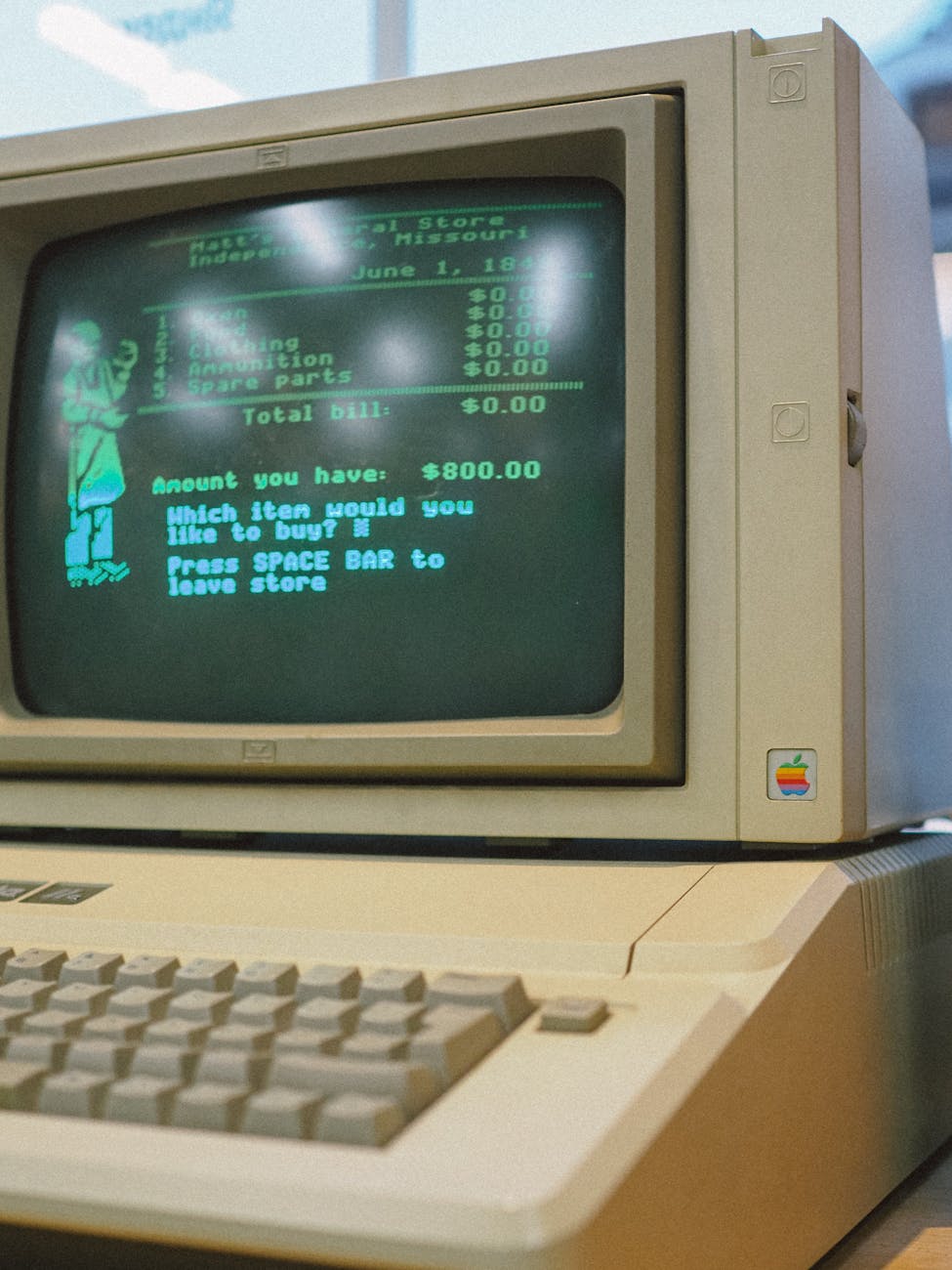
Computers stand as a testament to human ingenuity and relentless innovation. The earliest mechanical calculators to today’s quantum computing breakthroughs, computers have reshaped our lives. In this comprehensive blog post, we explore the evolution of computing technology. We examine its origins, rapid advancements, and transformative impact on society. Tech enthusiasts and learners alike, join us as we delve into this
The Evolution of Computer Technology
The story of computers is a tale of human creativity and persistence. As we chart the progress of technology, we can see that computers started out as simple devices. They were originally designed to perform basic calculations. Today, they are the backbone of global communication, finance, research, and entertainment. By integrating historical milestones with modern advancements, we gain a deeper appreciation for past and future technologies.
Early Beginnings: Mechanical Calculators and Pioneering Thinkers
Long before the digital age took hold, early innovators made significant strides with mechanical calculators. Figures like Charles Babbage and Blaise Pascal laid the groundwork for automated computation. Babbage’s design for the Analytical Engine in the 19th century was not fully realized in his lifetime. However, it is recognized as the conceptual precursor to modern computers. Similarly, Pascal’s invention of a mechanical calculator in the 17th century proved that machines could ease human calculation tasks.
These pioneering ideas were instrumental in shaping modern computers. They represent the earliest attempts at building devices that could perform logically sequenced operations. This idea, over time, evolved into the programmable machines we know today.
The Dawn of Electronic Computing
The transition from mechanical to electronic computing marked a monumental leap in technology. World War II played a significant role, catalyzing the development of machines like the Colossus and ENIAC. These early electronic computers were developed primarily for military and scientific applications. However, they demonstrated the potential of high-speed computation. The ENIAC (Electronic Numerical Integrator and Computer), for example, was among the first general-purpose electronic computers. It set the standard for future designs.
The emergence of vacuum tubes and later transistors paved the way for smaller, more reliable, and energy-efficient computers. As these innovations took hold, researchers and engineers were able to create more complex systems. These systems could process vast amounts of data. This became the foundation for the digital revolution. For more on this evolution, you might visit the Computer History Museum (https://www.computerhistory.org) for a detailed account of early electronic machines.
Mainframe and Miniaturization: The Era of Mainframes and the Birth of PCs
During the 1950s and 1960s, mainframe computers became the heart of large-scale business and government operations. These machines were far larger than computers today-they occupied entire rooms. They required specialized maintenance. However, they demonstrated the power of computer-assisted data processing on a massive scale. Organizations began to harness the capabilities of these computing giants for tasks ranging from statistical analysis to complex scientific computations.
The subsequent advent of microprocessors in the 1970s revolutionized the industry. Companies like Intel led the way with innovative chip designs. These designs made it possible to shrink entire computer systems onto a single integrated circuit. This era of miniaturization transformed bulky mainframes into personal computers (PCs). Technology became more accessible to individuals and small businesses with this innovation. This transition from centralized systems to user-friendly PCs is a pivotal chapter in computer history.
The Rise of Personal Computers and the Internet Age
The rise of personal computers and the explosion of the internet marks a very transformative time in human history. The 1980s witnessed the emergence of iconic brands and models from companies such as Apple, IBM, and Microsoft. The introduction of graphical user interfaces (GUIs) made computers far more intuitive and accessible.
Online connectivity grew in the 1990s and brought about a digital revolution. This change affected the way we communicate, work, and entertain ourselves. The internet not only connected people around the world but also created a marketplace for ideas, services, and commerce. This period was characterized by rapid advancements in both computer hardware and network infrastructure.
For additional insights on the digital revolution, check out authoritative resources like the World Wide Web Consortium (W3C) at https://www.w3.org. These organizations have played a pivotal role in standardizing internet protocols and ensuring interoperability across devices and platforms
The Impact of Modern Computers on Society
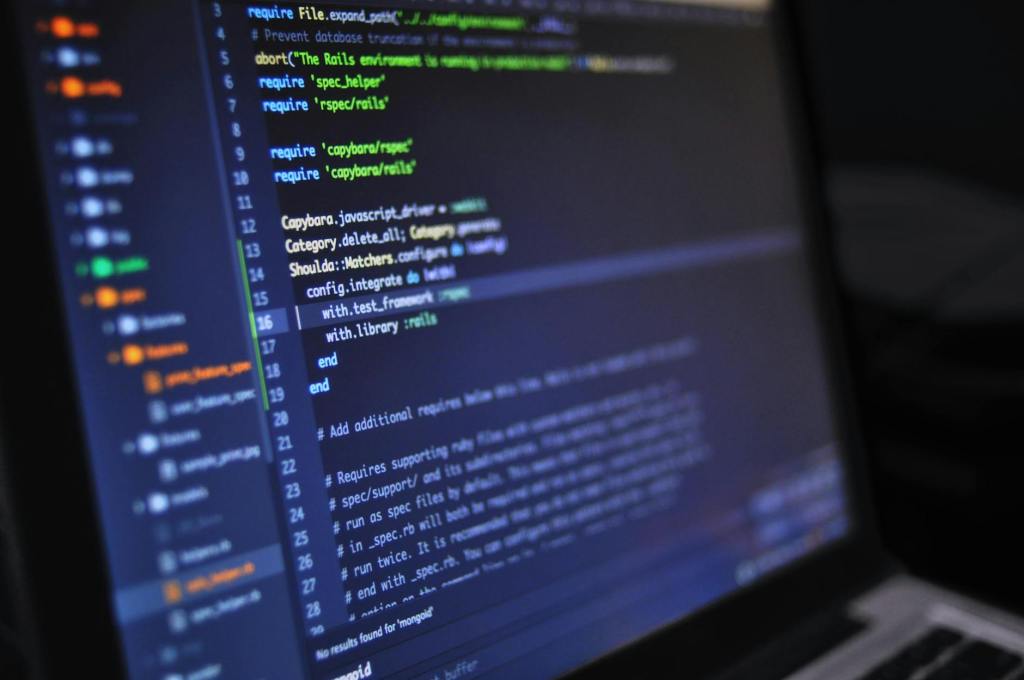
Modern computers have become integral to nearly every industry, driving unprecedented levels of innovation and efficiency. Today, computers facilitate tasks ranging from everyday communication to complex scientific research. In multiple fields and industries, computing technology empowers professionals to solve problems at speeds that were once unimaginable.
Cloud computing, artificial intelligence (AI), and machine learning represent just a few of the more modern breakthroughs. It is clear that computer technology will continue to play a central role in the future. It will shape new possibilities for all aspects of human endeavor.
Important Milestones in Computer History
Throughout the evolution of computer technology, several key milestones have stood out:
• The Analytical Engine: Charles Babbage’s design in the 1800s, which laid the groundwork for programmable machines.
• The Colossus and ENIAC: Pioneering electronic computers developed during World War II.
• The Microprocessor Revolution: The advent of microchips in the 1970s that enabled the creation of personal computers.
• The Rise of the Internet: The emergence and rapid expansion of global connectivity during the 1990s.
• The Era of Smartphones and AI: Modern innovations that connect billions of people and further integrate computers into everyday life.
Each of these milestones has contributed to the of innovation and adaptation of modern technology.
Internal Innovations and Future Frontiers
Today, research and development in computing are pushing boundaries further than ever before. Internal systems within companies are being upgraded to now harness the power of AI and neural networks. Quantum computing, still in its nascent stages, promises to revolutionize the way complex problems are solved.
For businesses and tech enthusiasts alike, understanding this future frontier is crucial. Staying informed about developments in quantum computing and other advanced fields involves keeping an eye on industry trends. Companies like IBM and Google are at the forefront of this next technological revolution.
The Legacy of Early Computer Visionaries
We must acknowledge the visionaries that made it all possible. One such innovator is Alan Turing. His work on computation and artificial intelligence laid the conceptual framework for modern computing. His passion and forward-thinking ideas established the foundation for much of the technology we rely on today.
Learning more about these influential figures gives us context about our technological heritage. For further reading on the contributions of these pioneers, biographies and historical texts are available on platforms such as Britannica (https://www.britannica.com).
The Role of Computers in Shaping Global Culture
Beyond their technical achievements, computers have profoundly influenced global culture10. Digital media, online communities, and social networks—all powered by computing technology—have redefined how we interact as a society. From the way we consume news to how we create and share art, the impact is widespread and deeply ingrained.
Through computers, we have not only transformed industries but have also discovered new avenues for expression and human connection. This influence continues to evolve, promising even greater interconnectivity and interactivity in the years ahead.
Bridging the Digital Divide
As the history of computers continues to evolve, it is important to address current challenges such as the digital divide. With the proliferation of advanced technologies, access to computers and the internet remains unequal in many parts of the world. Bridging this gap is essential for economic development and ensuring that the benefits of digital advancements are shared by all.
Initiatives by governments, non-profit organizations, and private companies are actively working to improve digital literacy and expand access to technology. These efforts are crucial for leveling the playing field and empowering more communities to participate fully in the digital age.
Looking Forward While Honoring the Past
Reflecting on computer history allows us to appreciate the remarkable journey from rudimentary calculating machines to sophisticated digital systems. The evolution of computing technology is a story punctuated by groundbreaking innovations, visionary thinkers, and transformative societal shifts. It is a reminder that progress in this field is not linear but exponential human growth.
As we move forward into a future shaped by computers, the lessons from our technological past remain ever relevant. By understanding where we have been, we can more effectively navigate where we are going. For those interested in staying updated on the latest in tech evolution, be sure to explore more detailed articles and studies available on reputable sites like the IEEE (https://www.ieee.org) or the MIT Technology Review (https://www.technologyreview.com). Also Check out Stacbytes blogs!
In conclusion, the rich history encapsulated here informs us about the past and inspires us to push the boundaries of what is possible. The computer, in all its forms, continues to evolve—driving innovation across all aspects of modern life. As this journey continues, it remains a testament to human ingenuity and the endless quest for knowledge and improvement.
Remembering the milestones of our digital past is a vital part of understanding and shaping the future.



 Stacbytes
Leave a comment