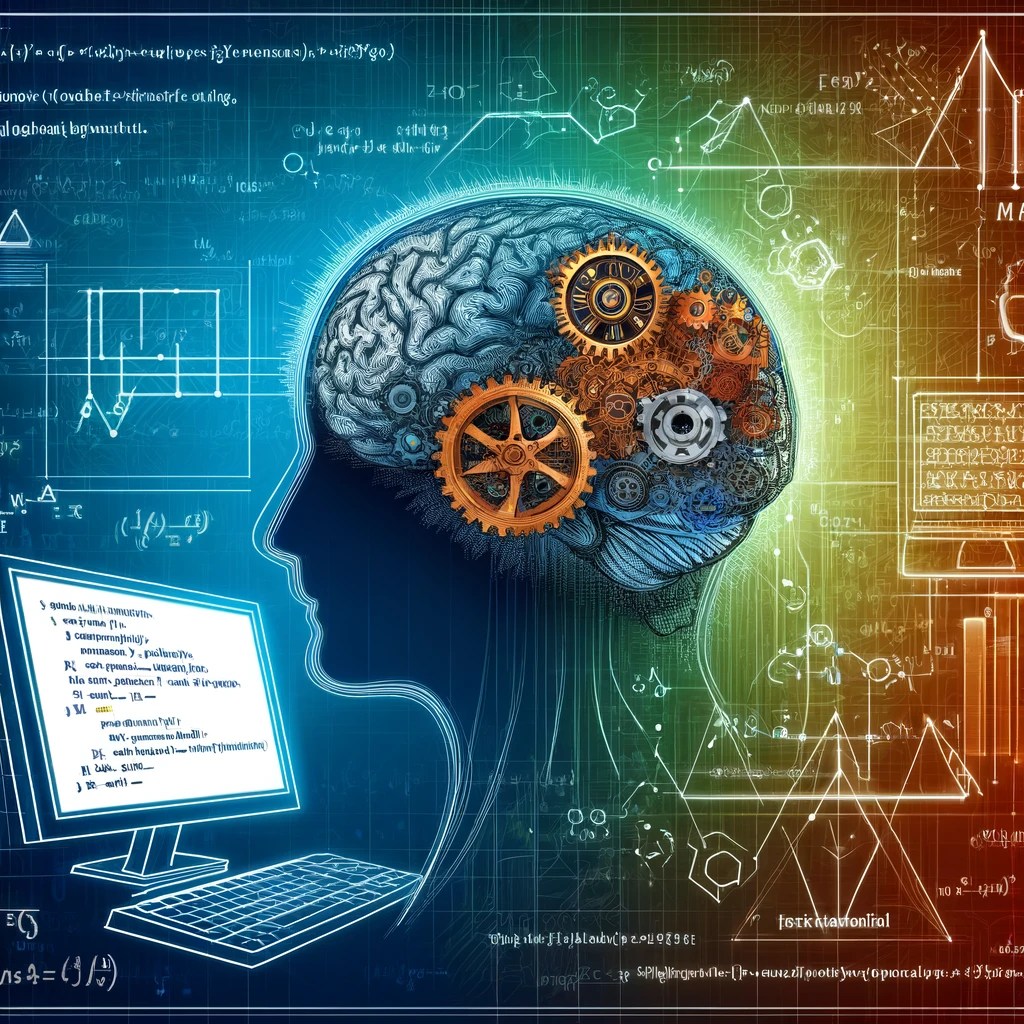
In the ever-evolving world of technology, the importance of learning how to code is often highlighted. Coding bootcamps are on the rise, and learning platforms abound, offering lessons on various programming languages. However, it’s crucial to understand that coding is not just about mastering syntax; it’s about developing the logic that drives effective problem-solving. Welcome to a journey where logic takes the front seat.
Understanding the Importance of Logic in Coding
When you embark on the path of learning how to code, you might initially focus on syntax—the set of rules that defines the combinations of symbols considered to be correctly structured programs in a language. While syntax is undeniably important, it’s merely the foundational building blocks. The true essence of programming lies in the realm of logic.
What is Logic in Programming?
Logic in programming refers to the systematic principles that guide the structure and behavior of code. It involves problem-solving, understanding algorithms, and applying critical thinking to create efficient programs. Essentially, logic ensures that your code does more than just compile; it works effectively and efficiently.
Syntax vs. Logic: Why Both Matter
While syntax is about rules and semantics, logic is about clarity and efficiency. Syntax errors might be easier to spot, but logical errors can be subtler and more impactful. For instance, a loop with an off-by-one error may not crash your program, but it can cause significant data integrity issues.
Understanding logic helps programmers think beyond the surface level and delve into the reasoning behind code. This aspect is particularly apparent in tasks that involve complex problem-solving, such as algorithms and data structures.
The Building Blocks: Syntax
Learning a programming language begins with understanding its syntax. Let’s take Python as an example. To print “Hello World,” you type:
print("Hello World")
This command might seem trivial, but it highlights some basic syntax rules: usage of functions (print()), strings ("Hello World"), and parentheses. However, just knowing these rules doesn’t equip you to solve real-world problems.
Transitioning to Logic: Problem-Solving Fundamentals
Algorithmic Thinking
Algorithmic thinking is a core component of programming logic. It involves creating a step-by-step procedure to solve a problem. For example, to sort a list of numbers, you might use a bubble sort, which repeatedly steps through the list, compares adjacent pairs, and swaps them if they are in the wrong order.
Such logical structures are fundamental in solving complex problems. Mastery of algorithms not only enhances your coding efficiency but also strengthens your logical reasoning.
Debugging Skills
To build robust coding logic, one must be adept at debugging. Debugging is the process of identifying and removing errors from your code. This skill requires a logical approach to trace back through your code, identify where it went wrong, and implement a fix.
Enhancing Logic through Practice and Challenges
Coding Challenges
Engaging with coding challenges is one of the most effective ways to improve your logical thinking. Platforms like LeetCode, HackerRank, and CodeWars offer a plethora of problems designed to enhance your algorithmic thinking and problem-solving skills.
Building Projects
Working on real-world projects can provide practical experience that enhances your logical reasoning. Projects force you to think critically about how different components interact and how to build scalable, efficient solutions.
Advanced Concepts that Improve Logic
Data Structures
Understanding data structures such as arrays, linked lists, stacks, and queues is vital for efficient problem-solving. Data structures allow you to store, organize, and manipulate data efficiently, thus enhancing your logical thinking.
Design Patterns
Design patterns are best practices that solve common coding problems. They provide templates for writing quality code and offer logical strategies for tackling recurring design challenges. Familiarity with design patterns improves your ability to architect robust and scalable applications.
Computational Thinking
Computational thinking is a blend of skills and practices that encompasses problem decomposition, data representation, and algorithmic reasoning. It enables you to approach coding tasks logically and systematically, ensuring that you can tackle both simple and complex problems effectively.
The Benefits of Strong Coding Logic
Improved Efficiency
With strong logical reasoning, you can write more efficient and concise code. Efficient code reduces resource consumption and enhances performance, which is particularly important in applications dealing with large datasets or high user traffic.
Better Debugging
Strong coding logic facilitates easier debugging and maintenance of code. When your programs are logically sound, identifying and fixing errors becomes more straightforward.
Transferable Skills
The logical thinking skills you develop in programming extend beyond coding. They can improve problem-solving abilities in various fields, from finance to engineering to everyday decision-making.
Real-World Applications of Coding Logic
Artificial Intelligence and Machine Learning
AI and machine learning heavily rely on logical algorithms and data structures. Understanding the logical foundations of AI algorithms allows you to develop and optimize models more effectively.
Web Development
Building responsive and efficient web applications requires a mix of syntax knowledge and logical reasoning. From server-side logic to client-side interactions, logic plays a critical role in creating seamless user experiences.
Cybersecurity
In cybersecurity, logical reasoning helps in identifying vulnerabilities and crafting secure systems. It involves thinking like an attacker to foresee potential threats and implement robust defenses.
Learning Resources for Enhancing Coding Logic
Books
- “Introduction to Algorithms” by Thomas H. Cormen, Charles E. Leiserson, Ronald L. Rivest, and Clifford Stein: This book provides a comprehensive introduction to algorithms and data structures.
- “Clean Code: A Handbook of Agile Software Craftsmanship” by Robert C. Martin: Focuses on writing clean, efficient, and logical code.
Online Courses
- Coursera: Offers numerous courses on algorithms, data structures, and problem-solving.
- edX: Provides courses from top universities focusing on computational thinking and coding logic.
Practice Platforms
- LeetCode: Ideal for practicing algorithms and coding problems.
- HackerRank: Offers a wide range of coding challenges and competitions.
Conclusion
Learning how to code is a multifaceted journey. While syntax forms the foundational framework of programming languages, the true essence of coding lies in developing strong logical reasoning and problem-solving skills. By emphasizing logic, you not only become a better coder but also cultivate a mindset that can tackle real-world challenges.
Incorporating elements like algorithmic thinking, debugging skills, data structures, and computational thinking elevates your coding practice from mere syntax manipulation to a powerful problem-solving tool. The journey to mastering coding logic is continuous, and leveraging the right resources and challenges can make it an enriching and transformative experience.
Remember, in the grand scheme of programming, syntax is just the skin, but logic is the spine that holds it all together. Happy coding!




 Stacbytes
Leave a comment